

Gestalt Therapy in Waterloo
Gestalt Therapy in Waterloo for Patterns That Keep Repeating
Maybe you already know why you react the way you do. You can name the pattern, understand where it started, and still find yourself shutting down, overthinking, people-pleasing, avoiding conflict or losing touch with what you actually need.
Gestalt therapy gives you a chance to slow those moments down. Together, you can notice what happens in your thoughts, emotions, body and relationships, and begin finding different ways to respond when the same pattern shows up again.
Understanding Gestalt Therapy
What is Gestalt therapy?
Gestalt therapy pays attention to what is happening for you in the present, not only to the story of what happened before. That can include your thoughts, emotions, physical reactions and the way you relate to other people.
Your past still matters. The difference is that therapy does not stop at understanding what happened back then. You also look at the ways those experiences may still be influencing how you respond today.
For example, you might notice that your chest tightens when you are about to disagree with someone. You might laugh while describing something that actually hurt. You might become very focused on explaining another person's behaviour and lose track of your own reaction.
In therapy, we may slow down moments like these and get curious about what is happening. What are you feeling? What are you wanting? What are you holding back? What happens when you notice the experience instead of moving past it?
Over time, recognizing these patterns while they are happening can make it easier to respond with more awareness, rather than automatically returning to the response you have used for years.
Does This Feel Familiar?
You may know the pattern and still get pulled back into it.
Many people come to therapy with more insight than they give themselves credit for. What feels frustrating is knowing something logically and still finding it difficult to respond differently when emotions, relationships or stress are involved.
You struggle to say what you actually need.
You may rehearse the conversation, know that a boundary is reasonable and still say yes, stay quiet or worry that being honest will upset someone.
The same relationship dynamics keep showing up.
You might withdraw, chase reassurance, overexplain, become defensive or take responsibility for everyone else's feelings even when you want to relate differently.
You can explain everything, but you are not sure what you feel.
You may be excellent at understanding situations intellectually while feeling less certain about your emotions, needs or physical reactions.
You talk yourself out of your own reactions.
Hurt quickly becomes "it's fine." Anger gets replaced by an explanation. Your attention moves toward understanding everyone else before you have had time to understand yourself.
Your body seems to know before you do.
You may notice tension, shallow breathing, restlessness, heaviness or the urge to leave a situation before you can clearly identify what you are feeling.
You have done a lot of reflecting and still feel stuck.
You may have already connected the dots about your past. Now you want help noticing what happens in real time and practicing a different way of responding.
How Gestalt Therapy Works
Notice what is happening. Understand it. Try something different.
Gestalt therapy does not follow one fixed script. Your therapist pays attention to what is happening in the conversation and helps you explore the parts of your experience that may usually happen too quickly to notice.
Notice the Pattern
Pay attention to what you are thinking, feeling, doing and experiencing physically when something important comes up.
Slow It Down
Instead of quickly explaining, fixing or dismissing the reaction, you make space to understand what is happening.
Explore It Differently
You may stay with an emotion, notice a body response, say something you usually hold back or experiment with another way of responding.
Build More Choice
The goal is not to react perfectly. It is to recognize your response sooner so you have more options for what happens next.
Inside a Gestalt Therapy Session
What might we actually do in therapy?
Gestalt therapy is experiential, but that does not mean you will constantly be doing exercises or being pushed into intense emotional experiences.
Much of therapy may still look like a conversation. The difference is that your therapist may pay closer attention to what happens while you are having that conversation.
Slowing Down a Moment
Your therapist may pause when something shifts and ask what you are noticing right now rather than immediately moving to the next part of the story.
Noticing Your Body
You may become curious about breathing, tension, posture, movement or other physical signals that appear when you talk about something meaningful.
Looking at What Happens Between People
If a familiar relationship pattern appears in therapy, you and your therapist may notice it together and explore what the moment can teach you about your relationships outside the room.
Chair or Dialogue Exercises
When it feels useful, you may speak to an imagined person or another part of yourself to explore feelings or conversations that have been difficult to express directly.
Practicing a New Response
Therapy can give you room to try something unfamiliar, such as saying what you need more directly, staying present during discomfort or allowing yourself not to explain everything.
Reasons People Come to Therapy
What can you explore through Gestalt therapy?
People come to Gestalt therapy for different reasons. You may be dealing with anxiety, having trouble setting boundaries, noticing the same relationship pattern again, or feeling disconnected from yourself. What you focus on will depend on what has been difficult for you and what you want to change.
Anxiety, Stress & Overthinking
Notice what happens when anxiety takes over, including the thoughts, body sensations, avoidance and attempts to gain certainty that can keep the cycle going. Learn more about anxiety therapy in Waterloo.
Relationships & Communication
Explore your own patterns around closeness, conflict, reassurance, withdrawal, communication and emotional safety within individual therapy.
Boundaries & People-Pleasing
Become more aware of what happens inside you just before you ignore your needs, avoid saying no or take responsibility for another person's reaction.
Difficult Emotions
Develop a clearer relationship with emotions such as anger, sadness, fear, shame or vulnerability rather than immediately suppressing, analyzing or escaping them.
Grief, Loss & Unresolved Experiences
Make room for feelings, needs and conversations that may still carry emotional weight, without forcing yourself to process them faster than feels manageable. Learn more about grief and loss therapy.
Identity & Life Changes
Explore what feels true for you when your relationships, responsibilities, identity or direction in life are changing.
Meet Your Therapists
Therapists who can incorporate Gestalt therapy into your care.
Gestalt therapy does not have to look exactly the same with every therapist. Lydia and Rachel can draw from Gestalt therapy alongside other approaches based on what you are working through, what feels useful to you and the goals you bring to therapy.

Lydia Forge, MSW, RSW
Clinic Director & Registered Social Worker
Lydia takes an integrative approach to individual psychotherapy and can incorporate Gestalt therapy when it fits what you are working on. Her work often explores the patterns underneath emotional reactions, relationships, boundaries and the ways earlier experiences continue to shape the present.
She may be a helpful fit if you want therapy that gives you room for deeper reflection while also helping you notice what happens emotionally and relationally in real time.
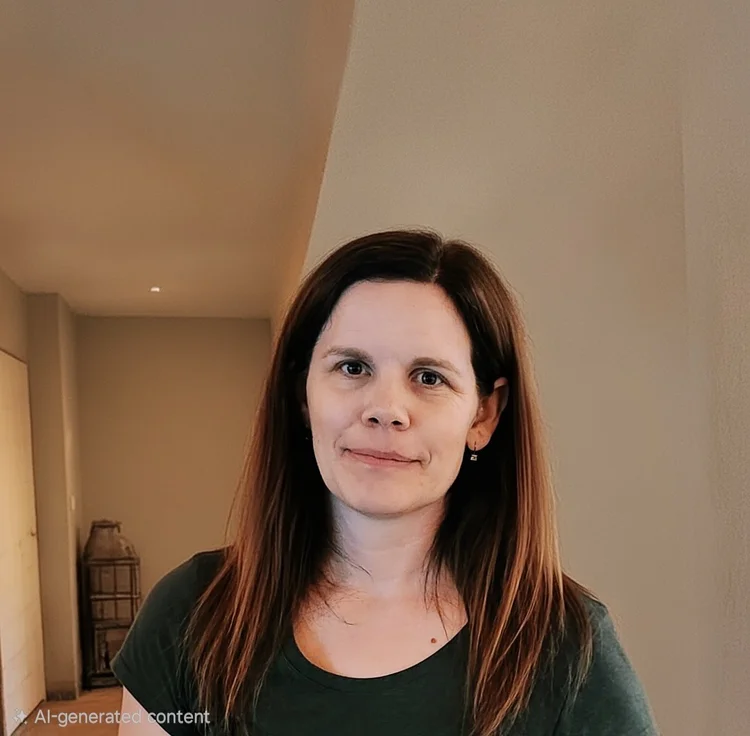
Rachel Oussoren, RSW
Registered Social Worker & MSW Intern
Rachel brings a warm, person-centred style to therapy and can incorporate Gestalt-informed work as part of her supervised MSW internship. Sessions may include slowing down familiar reactions, noticing what is happening in the moment and exploring thoughts, emotions, needs and relationship patterns with curiosity.
Rachel may be a helpful fit if you are looking for a lower-cost option and want support with anxiety, stress, grief, life changes, Christian counselling or spiritual exploration , or individual relationship concerns.
Starting Therapy
You do not need to know how to "do" Gestalt therapy.
You can come to therapy exactly as you are. You do not need the right terminology, a diagnosis or a polished explanation of what is wrong. You can simply start by telling us what has been difficult and what you would like to be different.
Research & Clinical Context
What does the research say about Gestalt therapy?
Gestalt therapy has been used clinically for decades and has a developing research base. It has been studied less extensively than approaches such as CBT, which is important context when considering the evidence.
The therapy approach is only one part of the decision.
Your goals, the therapist's training, your relationship with the therapist and how you respond to the work all matter.
At Heart & Mind Therapy, Gestalt-informed work may be integrated with other therapeutic approaches when it fits your needs and the therapist's training.
Frequently Asked Questions
Gestalt therapy questions before you book
What is Gestalt therapy in simple terms?
Is Gestalt therapy just the empty-chair exercise?
Does Gestalt therapy only focus on the present?
Can Gestalt therapy help if I overthink everything?
Can I work on relationship problems without couples therapy?
What if I do not want to do experiential exercises?
Is Gestalt therapy available in Waterloo?
How do I know if Gestalt therapy is the right fit for me?
Gestalt Therapy in Waterloo
Ready to see whether this approach feels right for you?
Start with a free 20-minute consultation. Tell us what you have been noticing, what you want help with and what matters to you in therapy. You can ask questions before deciding whether you want to book a full session.
Book My Free 20-Minute ConsultationPrefer to compare therapists first? View our Waterloo therapists.
Planning to use insurance? Learn how direct billing works.
Could Anxiety or Stress Be Taking Up More Space Than You Realize?
Your mind may keep returning to what you said, what someone else meant, whether you made the right decision, or what you could have done differently. Even small interactions can become something you mentally review for hours.
Anxiety therapy can help you recognize what keeps these thought loops active, separate useful reflection from anxious overthinking, and develop ways to move forward without needing to mentally solve every uncertainty.
You may run through possible problems before a meeting, conversation, trip, appointment, deadline, or decision. Planning can feel responsible, but there may come a point where preparing turns into trying to eliminate every possible surprise.
Therapy can help you understand your relationship with uncertainty and build greater confidence in your ability to respond to situations as they happen—without having to predict every outcome first.
You may spend far more time than necessary preparing, checking, editing, or questioning your work because making a mistake feels unusually uncomfortable. Sometimes this leads to procrastination—not because you do not care, but because starting means facing the possibility that the result may not be perfect.
Anxiety and stress therapy can help you explore the beliefs underneath perfectionism, soften all-or-nothing expectations, and build a sense of confidence that is not dependent on getting everything exactly right.
Stress and anxiety are not experienced only through thoughts. You might notice muscle tension, restlessness, changes in your breathing, a racing heart, stomach discomfort, difficulty sleeping, or the feeling that your body is still “on” long after the stressful moment has passed.
Our therapists can incorporate both psychological and body-aware approaches to help you recognize signs of activation earlier and develop ways of responding when stress begins showing up physically.
You may ask someone whether everything is okay, check something one more time, research until you feel certain, postpone a difficult conversation, or avoid situations that make you anxious. The relief can be real—but it may not last very long.
Therapy can help you understand the role these habits play in your anxiety and gradually build more tolerance for uncertainty and discomfort, so feeling safe does not always depend on checking, avoiding, or receiving reassurance.
You may still be working, studying, caring for others, meeting deadlines, and doing what needs to be done. Because you are functioning, the people around you may not realize how much effort it takes to keep everything moving.
Stress management therapy can give you space to examine the pressure you carry, the expectations you place on yourself, and the patterns that make slowing down difficult—before exhaustion becomes the only thing that forces you to stop.
Quiet moments may be when your thoughts become the loudest. You might think about tomorrow's responsibilities, unfinished tasks, relationships, finances, work, school, or things you cannot control. Even rest can come with guilt because part of you feels there is always something else you should be doing.
Anxiety and stress therapy can help you understand why slowing down feels so difficult and develop a healthier relationship with rest, responsibility, and the thoughts that tend to arrive when life becomes quiet.
How Anxiety & Stress Therapy Can Help
Overthinking & Worry
When your mind is always analyzing what happened or anticipating what comes next, even ordinary decisions can become exhausting. Therapy can help you recognize when useful thinking has turned into an anxious loop and find different ways to respond.
You may replay conversations, question decisions you have already made, imagine different outcomes, or feel unable to move on until you are certain everything will be okay.
- Recognize patterns that keep worry going
- Respond differently to anxious thoughts
- Build greater tolerance for uncertainty
You can learn to trust yourself without needing to think through every possible outcome first.
Physical Anxiety & Tension
Sometimes anxiety is felt before it can be explained. Your body may become tense, restless, unsettled, or highly alert even when part of you knows there is no immediate danger.
You might notice a racing heart, muscle tension, changes in breathing, stomach discomfort, difficulty sleeping, or a sense that your body has trouble fully settling after stress.
- Notice signs of stress and activation earlier
- Develop grounding and regulation skills
- Understand the connection between thoughts, emotions, and physical responses
Therapy can help you understand what your body is communicating and develop more ways to respond when stress begins to build.
Perfectionism & Pressure
Anxiety can hide behind achievement. You may be dependable, ambitious, and capable while privately feeling that you always need to do more, prepare more, or make fewer mistakes.
Even success may bring only brief relief before your attention shifts to the next responsibility. Rest can feel unproductive, mistakes can feel unusually significant, and asking for help may be harder than simply doing more yourself.
- Explore the pressure behind perfectionism
- Reduce all-or-nothing expectations
- Build confidence that is not dependent on constant achievement
Growth does not have to mean lowering your standards. It can mean no longer needing pressure and anxiety to keep you moving.
People-Pleasing & Boundaries
Stress can grow when you are constantly monitoring how other people feel. You may avoid disappointing others, say yes when you want to say no, or spend hours worrying about how someone interpreted what you said.
Keeping the peace can feel safer than risking conflict, rejection, or disapproval. Over time, however, being responsible for everyone else's comfort can leave very little room for your own needs.
- Understand what makes saying no feel difficult
- Communicate needs and limits more clearly
- Manage the anxiety that can follow setting a boundary
You can care deeply about other people without making their reactions the measure of whether you did something wrong.
ANXIETY CARE THAT FITS THE PERSON
WHY HEART &
MIND THERAPY?
Anxiety can look different from one person to the next. We consider how it shows up in your thoughts, body, relationships, daily life, and personal context when helping you find the right therapeutic support.
Find the Right Therapist for You
Thoughtful therapist matching based on what you need and how you prefer to work.
Reaching out for anxiety therapy can already involve a lot of second-guessing. We want choosing a therapist to feel simpler. Rather than looking only at the next available appointment, we consider the concerns bringing you to therapy, the way you prefer to work, scheduling needs, and preferences that matter to you when suggesting therapist options.
More Than Just Managing Symptoms
Practical strategies alongside space to understand the patterns beneath your anxiety.
Coping strategies can be useful, but sometimes you also want to understand why anxiety keeps returning. Depending on your needs, therapy may explore anxious thoughts, physical stress responses, avoidance, perfectionism, relationships, boundaries, past experiences, and the patterns that keep anxiety going. The work can include practical tools while also making space for deeper understanding.
Care That Fits Your Life & Story
Therapy that considers culture, relationships, responsibilities, identity, and lived experience.
Anxiety does not happen outside the rest of your life. Culture, family expectations, work or school pressures, relationships, identity, and lived experience can all influence what feels stressful and how you respond to it. Our therapists offer culturally responsive care, with in-person anxiety therapy in Waterloo and virtual sessions across Ontario.
Faith Can Be Part of the Conversation
Optional Christian faith integration when it is meaningful to you.
For some clients, anxiety also intersects with faith, prayer, responsibility, guilt, purpose, or questions about trust and uncertainty. Christian counselling is available if you would like your faith thoughtfully included in therapy. Faith integration is always optional, collaborative, and guided by what is meaningful to you.
FINDING YOUR
ANXIETY THERAPIST
Tell us what has been feeling difficult
You do not need to know exactly what kind of anxiety you have or how to explain everything perfectly. Tell us what you have been noticing—whether that is overthinking, constant worry, physical tension, panic, perfectionism, people-pleasing, difficulty resting, or simply feeling overwhelmed.
Tell us what matters to you in therapy
We consider the kind of support you are looking for along with preferences such as therapist style, in-person or virtual sessions, scheduling, cultural considerations, and optional faith integration.
We suggest therapist options
When possible, we recommend one or two therapists whose experience, therapeutic approach, availability, and way of working appear to fit what you are looking for. You remain in control of who you choose to meet.
Start with a free 20-minute consultation
Meet the therapist, ask questions, and get a sense of how it feels to talk together. The consultation is an opportunity to explore fit before deciding whether you would like to book your first therapy session.
THERAPISTS WHO WORK
WITH ANXIETY & STRESS
View all therapists


Getting Started
What to Expect From Anxiety Therapy
Your free 20-minute consultation is a chance to briefly share what has been happening, ask questions, and get a sense of whether the therapist feels like someone you could talk to comfortably. You do not need to know whether what you are experiencing is “really anxiety,” have a diagnosis, or explain your situation perfectly. If another therapist on our team appears to be a better fit, we can discuss that option with you.
Your therapist will begin getting to know you and how anxiety or stress has been affecting your life. You might talk about when it tends to appear, what your mind predicts, what happens in your body, what you do to feel better, and what you would like to be different. You can begin wherever makes the most sense to you.
You do not need to arrive with a polished explanation of yourself. In fact, worrying about saying the “right” thing can sometimes be part of the same pressure you are coming to therapy to understand. Your therapist can ask questions, slow the conversation down, and help you put words to what you have been experiencing.
Your goals will depend on how anxiety affects you. You might want to spend less time overthinking decisions, feel more comfortable with uncertainty, manage physical stress responses, sleep more peacefully, set boundaries with less guilt, reduce avoidance, or stop relying on perfectionism to feel prepared. Goals are collaborative and can change as therapy progresses.
Depending on your goals and your therapist's approach, you may experiment with strategies between sessions. This could include noticing worry patterns, practicing grounding or regulation skills, approaching something you usually avoid, setting a boundary, journaling, or trying a different response when anxiety appears. The purpose is to help therapy connect with everyday life—not to give you another list of things to do perfectly.
There is no single timeline that fits everyone. The length of therapy can depend on what you want help with, how long the pattern has been present, whether other experiences are contributing to it, and the kind of change you want to make. You and your therapist can regularly review what is helping, what still feels difficult, and whether your goals are changing.
Heart & Mind Therapy offers in-person anxiety counselling in Waterloo and secure virtual therapy across Ontario. Your therapist can help you consider which format fits your needs, preferences, schedule, and comfort.
How We Work
Approaches We May Use for Anxiety
CBT can help you examine the relationship between anxious thoughts, emotions, physical sensations, and behaviour. For example, you may begin noticing how a feared prediction leads to checking, reassurance-seeking, avoidance, or overpreparing—and how those responses can sometimes keep the anxiety cycle going.
DBT-informed work can introduce skills for mindfulness, emotional regulation, distress tolerance, and interpersonal effectiveness. These skills may be helpful when anxiety feels intense, when discomfort quickly becomes overwhelming, or when stress makes it harder to communicate effectively.
IFS offers a way of becoming curious about different internal responses rather than immediately fighting them. You might explore a part of you that needs certainty, anticipates problems, criticizes mistakes, avoids conflict, or works hard to keep everyone happy—and begin understanding what that response may be trying to protect.
Anxiety is not experienced only through thoughts. Body-aware approaches can help you notice sensations such as tension, restlessness, changes in breathing, or feeling highly alert. Therapy may incorporate grounding, body awareness, and regulation strategies alongside conversation and reflection.
These approaches may help when part of you wants change while another part feels uncertain, protective, or afraid. Your therapist may use curiosity to explore what sits underneath a pattern rather than simply telling you to stop worrying, avoid less, or think differently.
Some therapists may incorporate NLP-informed strategies to explore habitual language, mental representations, beliefs, and patterns of responding. When used, these strategies are integrated alongside the therapist's broader clinical approach rather than treated as a stand-alone treatment for anxiety.
No. You do not need to decide whether you need CBT, IFS, somatic therapy, or another approach before contacting us. Your therapist can explain what they recommend and why, while considering your concerns, preferences, goals, and response to therapy. The approach should serve the work—not become another decision you have to get exactly right.
Who We Support
Who May Benefit From Anxiety Therapy?
Anxiety may show up around exams, grades, procrastination, perfectionism, friendships, dating, identity, career decisions, finances, or uncertainty about the future. Therapy can provide space to understand the pressure you are carrying while developing ways of responding that do not depend on having everything figured out.
You may be performing well while privately dealing with overthinking, imposter feelings, fear of mistakes, constant responsibility, difficulty delegating, or an inability to switch off after work. Therapy can help you examine the difference between healthy ambition and the pressure anxiety may be adding to it.
Parenting and caregiving can bring constant decisions, responsibility, mental load, guilt, and worry about the people you love. Therapy can offer a place to explore your own stress and needs without assuming that caring less is the answer.
You may spend significant energy anticipating other people's reactions, replaying conversations, avoiding conflict, or worrying that setting a boundary will disappoint someone. Therapy can help you understand these patterns while building greater confidence in expressing your own needs.
Anxiety and stress can be shaped by cultural expectations, migration experiences, intergenerational responsibilities, discrimination, belonging, language, family roles, and competing expectations about success or independence. Therapy can make room for that context rather than separating anxiety from the life in which it developed.
For clients who want it, anxiety therapy can thoughtfully include conversations about faith, prayer, trust, responsibility, guilt, uncertainty, or spiritual questions alongside psychological care. Christian integration is always optional and should reflect your beliefs rather than assumptions about what your faith means to you.
A new job, graduation, parenthood, relationship change, illness, relocation, loss, or other transition can increase uncertainty even when the change is wanted. Therapy can help you make sense of what the transition is bringing up and find steadier ways of moving through a period when many things feel unsettled at once.
When Anxiety Connects to Something More
EXPLORE RELATED SUPPORT
Body-Aware Support
Somatic Therapy
Explore Somatic TherapyIf anxiety feels strongly physical—such as tension, restlessness, changes in breathing, difficulty settling, or feeling constantly alert—you may be interested in a more body-aware approach. Somatic therapy brings attention to physical sensations and stress responses alongside thoughts and emotions, helping you better understand how your body responds when anxiety is activated.
Past Experiences
Trauma-Informed Therapy
Explore Individual & Trauma SupportSometimes anxiety is connected to experiences that taught you to stay alert, anticipate problems, avoid certain situations, or protect yourself in ways that still affect you today. If past experiences are part of what you want to explore, trauma-informed therapy can help you understand those connections without requiring you to disclose or process difficult experiences before you are ready.
Optional Faith Integration
Christian Counselling
Explore Christian CounsellingIf your Christian faith is important to you, you may want therapy where it does not have to be separated from conversations about anxiety. When requested, counselling can make room for faith, prayer, trust, responsibility, guilt, uncertainty, and spiritual questions alongside psychological care. Faith integration is always optional and guided by what is meaningful to you.
THERAPIST MATCHING
Finding a therapist does not need to become another thing to overthink.
You do not need to compare every therapy approach or figure out the “perfect” therapist on your own. Tell us what you have been experiencing and what matters to you in therapy. We can consider therapist style, areas of practice, scheduling, in-person or virtual preferences, cultural considerations, and optional faith integration when suggesting therapists who may fit what you are looking for.