

Gestalt Therapy in Waterloo
Gestalt Therapy in Waterloo for Patterns That Keep Repeating
Maybe you already know why you react the way you do. You can name the pattern, understand where it started, and still find yourself shutting down, overthinking, people-pleasing, avoiding conflict or losing touch with what you actually need.
Gestalt therapy gives you a chance to slow those moments down. Together, you can notice what happens in your thoughts, emotions, body and relationships, and begin finding different ways to respond when the same pattern shows up again.
Understanding Gestalt Therapy
What is Gestalt therapy?
Gestalt therapy pays attention to what is happening for you in the present, not only to the story of what happened before. That can include your thoughts, emotions, physical reactions and the way you relate to other people.
Your past still matters. The difference is that therapy does not stop at understanding what happened back then. You also look at the ways those experiences may still be influencing how you respond today.
For example, you might notice that your chest tightens when you are about to disagree with someone. You might laugh while describing something that actually hurt. You might become very focused on explaining another person's behaviour and lose track of your own reaction.
In therapy, we may slow down moments like these and get curious about what is happening. What are you feeling? What are you wanting? What are you holding back? What happens when you notice the experience instead of moving past it?
Over time, recognizing these patterns while they are happening can make it easier to respond with more awareness, rather than automatically returning to the response you have used for years.
Does This Feel Familiar?
You may know the pattern and still get pulled back into it.
Many people come to therapy with more insight than they give themselves credit for. What feels frustrating is knowing something logically and still finding it difficult to respond differently when emotions, relationships or stress are involved.
You struggle to say what you actually need.
You may rehearse the conversation, know that a boundary is reasonable and still say yes, stay quiet or worry that being honest will upset someone.
The same relationship dynamics keep showing up.
You might withdraw, chase reassurance, overexplain, become defensive or take responsibility for everyone else's feelings even when you want to relate differently.
You can explain everything, but you are not sure what you feel.
You may be excellent at understanding situations intellectually while feeling less certain about your emotions, needs or physical reactions.
You talk yourself out of your own reactions.
Hurt quickly becomes "it's fine." Anger gets replaced by an explanation. Your attention moves toward understanding everyone else before you have had time to understand yourself.
Your body seems to know before you do.
You may notice tension, shallow breathing, restlessness, heaviness or the urge to leave a situation before you can clearly identify what you are feeling.
You have done a lot of reflecting and still feel stuck.
You may have already connected the dots about your past. Now you want help noticing what happens in real time and practicing a different way of responding.
How Gestalt Therapy Works
Notice what is happening. Understand it. Try something different.
Gestalt therapy does not follow one fixed script. Your therapist pays attention to what is happening in the conversation and helps you explore the parts of your experience that may usually happen too quickly to notice.
Notice the Pattern
Pay attention to what you are thinking, feeling, doing and experiencing physically when something important comes up.
Slow It Down
Instead of quickly explaining, fixing or dismissing the reaction, you make space to understand what is happening.
Explore It Differently
You may stay with an emotion, notice a body response, say something you usually hold back or experiment with another way of responding.
Build More Choice
The goal is not to react perfectly. It is to recognize your response sooner so you have more options for what happens next.
Inside a Gestalt Therapy Session
What might we actually do in therapy?
Gestalt therapy is experiential, but that does not mean you will constantly be doing exercises or being pushed into intense emotional experiences.
Much of therapy may still look like a conversation. The difference is that your therapist may pay closer attention to what happens while you are having that conversation.
Slowing Down a Moment
Your therapist may pause when something shifts and ask what you are noticing right now rather than immediately moving to the next part of the story.
Noticing Your Body
You may become curious about breathing, tension, posture, movement or other physical signals that appear when you talk about something meaningful.
Looking at What Happens Between People
If a familiar relationship pattern appears in therapy, you and your therapist may notice it together and explore what the moment can teach you about your relationships outside the room.
Chair or Dialogue Exercises
When it feels useful, you may speak to an imagined person or another part of yourself to explore feelings or conversations that have been difficult to express directly.
Practicing a New Response
Therapy can give you room to try something unfamiliar, such as saying what you need more directly, staying present during discomfort or allowing yourself not to explain everything.
Reasons People Come to Therapy
What can you explore through Gestalt therapy?
People come to Gestalt therapy for different reasons. You may be dealing with anxiety, having trouble setting boundaries, noticing the same relationship pattern again, or feeling disconnected from yourself. What you focus on will depend on what has been difficult for you and what you want to change.
Anxiety, Stress & Overthinking
Notice what happens when anxiety takes over, including the thoughts, body sensations, avoidance and attempts to gain certainty that can keep the cycle going. Learn more about anxiety therapy in Waterloo.
Relationships & Communication
Explore your own patterns around closeness, conflict, reassurance, withdrawal, communication and emotional safety within individual therapy.
Boundaries & People-Pleasing
Become more aware of what happens inside you just before you ignore your needs, avoid saying no or take responsibility for another person's reaction.
Difficult Emotions
Develop a clearer relationship with emotions such as anger, sadness, fear, shame or vulnerability rather than immediately suppressing, analyzing or escaping them.
Grief, Loss & Unresolved Experiences
Make room for feelings, needs and conversations that may still carry emotional weight, without forcing yourself to process them faster than feels manageable. Learn more about grief and loss therapy.
Identity & Life Changes
Explore what feels true for you when your relationships, responsibilities, identity or direction in life are changing.
Meet Your Therapists
Therapists who can incorporate Gestalt therapy into your care.
Gestalt therapy does not have to look exactly the same with every therapist. Lydia and Rachel can draw from Gestalt therapy alongside other approaches based on what you are working through, what feels useful to you and the goals you bring to therapy.

Lydia Forge, MSW, RSW
Clinic Director & Registered Social Worker
Lydia takes an integrative approach to individual psychotherapy and can incorporate Gestalt therapy when it fits what you are working on. Her work often explores the patterns underneath emotional reactions, relationships, boundaries and the ways earlier experiences continue to shape the present.
She may be a helpful fit if you want therapy that gives you room for deeper reflection while also helping you notice what happens emotionally and relationally in real time.
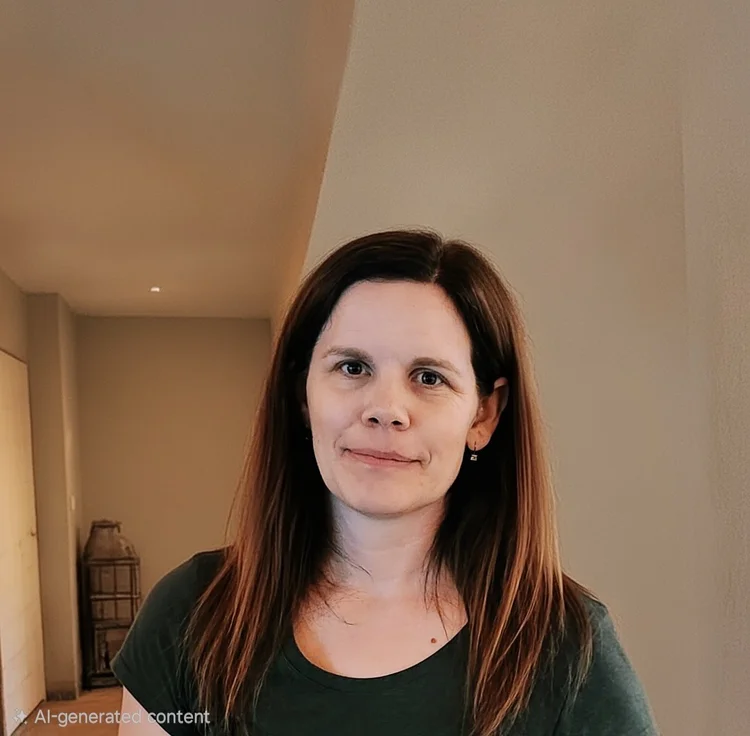
Rachel Oussoren, RSW
Registered Social Worker & MSW Intern
Rachel brings a warm, person-centred style to therapy and can incorporate Gestalt-informed work as part of her supervised MSW internship. Sessions may include slowing down familiar reactions, noticing what is happening in the moment and exploring thoughts, emotions, needs and relationship patterns with curiosity.
Rachel may be a helpful fit if you are looking for a lower-cost option and want support with anxiety, stress, grief, life changes, Christian counselling or spiritual exploration , or individual relationship concerns.
Starting Therapy
You do not need to know how to "do" Gestalt therapy.
You can come to therapy exactly as you are. You do not need the right terminology, a diagnosis or a polished explanation of what is wrong. You can simply start by telling us what has been difficult and what you would like to be different.
Research & Clinical Context
What does the research say about Gestalt therapy?
Gestalt therapy has been used clinically for decades and has a developing research base. It has been studied less extensively than approaches such as CBT, which is important context when considering the evidence.
The therapy approach is only one part of the decision.
Your goals, the therapist's training, your relationship with the therapist and how you respond to the work all matter.
At Heart & Mind Therapy, Gestalt-informed work may be integrated with other therapeutic approaches when it fits your needs and the therapist's training.
Frequently Asked Questions
Gestalt therapy questions before you book
What is Gestalt therapy in simple terms?
Is Gestalt therapy just the empty-chair exercise?
Does Gestalt therapy only focus on the present?
Can Gestalt therapy help if I overthink everything?
Can I work on relationship problems without couples therapy?
What if I do not want to do experiential exercises?
Is Gestalt therapy available in Waterloo?
How do I know if Gestalt therapy is the right fit for me?
Gestalt Therapy in Waterloo
Ready to see whether this approach feels right for you?
Start with a free 20-minute consultation. Tell us what you have been noticing, what you want help with and what matters to you in therapy. You can ask questions before deciding whether you want to book a full session.
Book My Free 20-Minute ConsultationPrefer to compare therapists first? View our Waterloo therapists.
Planning to use insurance? Learn how direct billing works.